Description
The Principle
LED operates leveraging the phenomenon of electroluminescence within semiconductor materials. When a voltage is applied across the leads of a LED, electrons and electron holes recombine within the semiconductor material, releasing energy in the form of photons.
The energy of these photons determines the wavelength of light emitted, which is specific to the semiconductor material used in the LED. By controlling the semiconductor material’s composition and structure, we can produce LEDs that emit light in specific colors, such as red, yellow, green, or ultraviolet.
The voltage needed to enable an LED is called forward voltage, which has to be applied across the LED from anode to cathode. LEDs of different colors have different forward voltage requirements.
Generally, colors in lower energy like red have the lower forward voltage, and colors in higher energy like blue have the higher, but eventually, it is determined by the design and the semiconductor material.
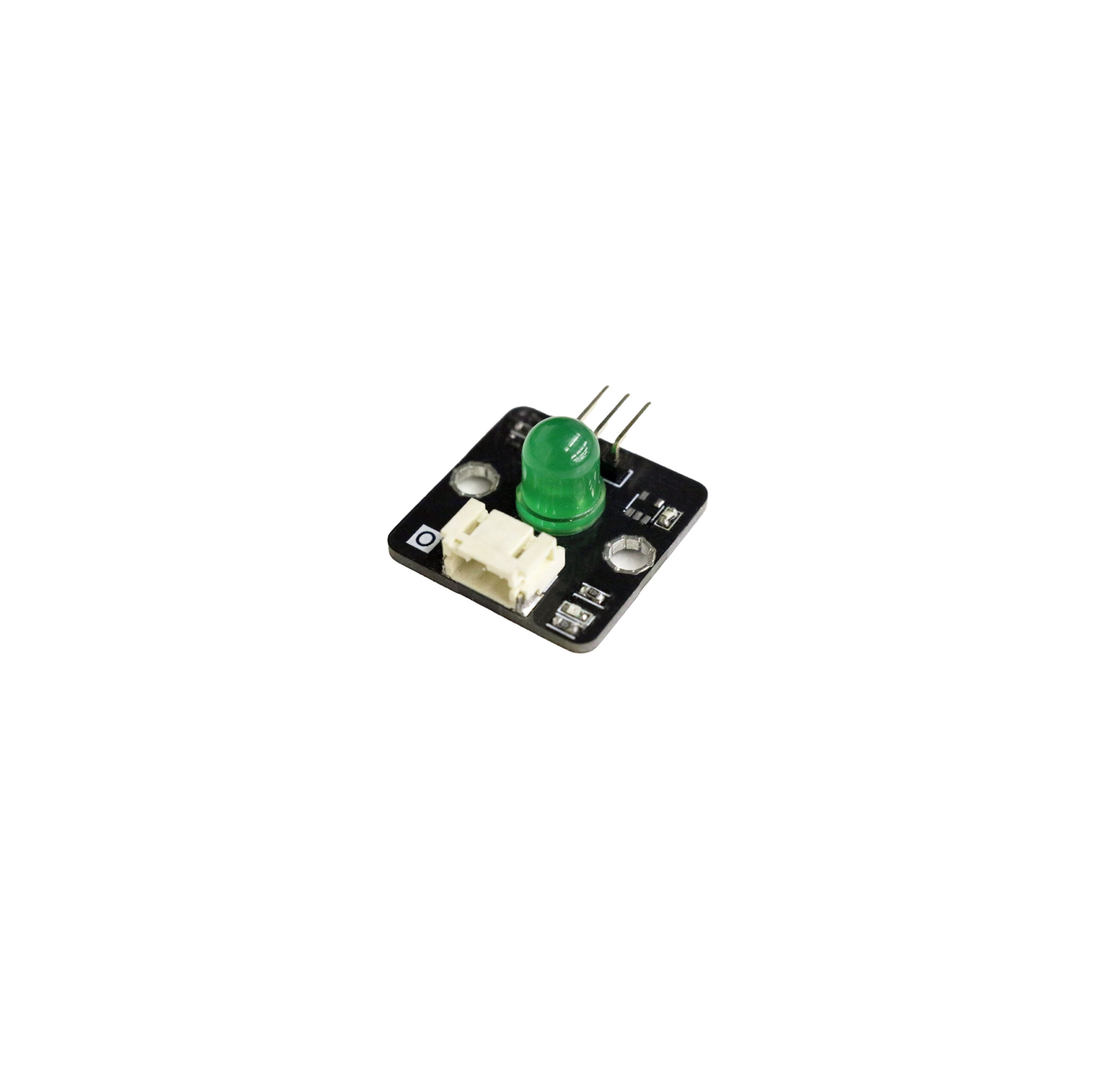
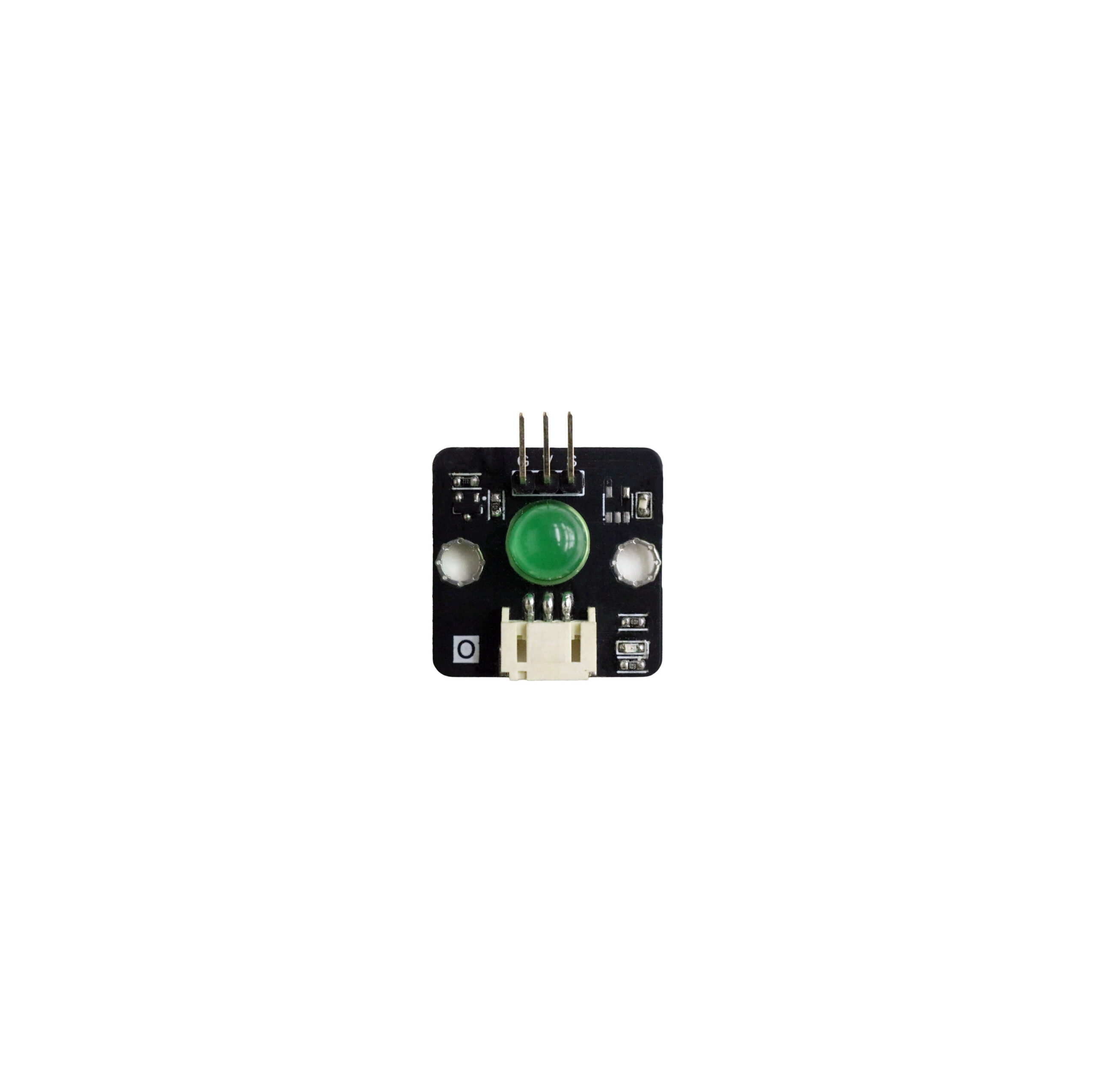
Green LED emits light in the green part of the visible spectrum, typically around 500-570 nm. Its forward voltage varies in a wide range, from 1.9 to 4.0.
Only logged in customers who have purchased this product may leave a review.


Reviews
There are no reviews yet.